
Self Management vs Property Manager: The Real Numbers
SELF MANAGING VS PROFESSIONAL MANAGEMENT What is the difference between self-managing and professional management? The difference is rarely the property.
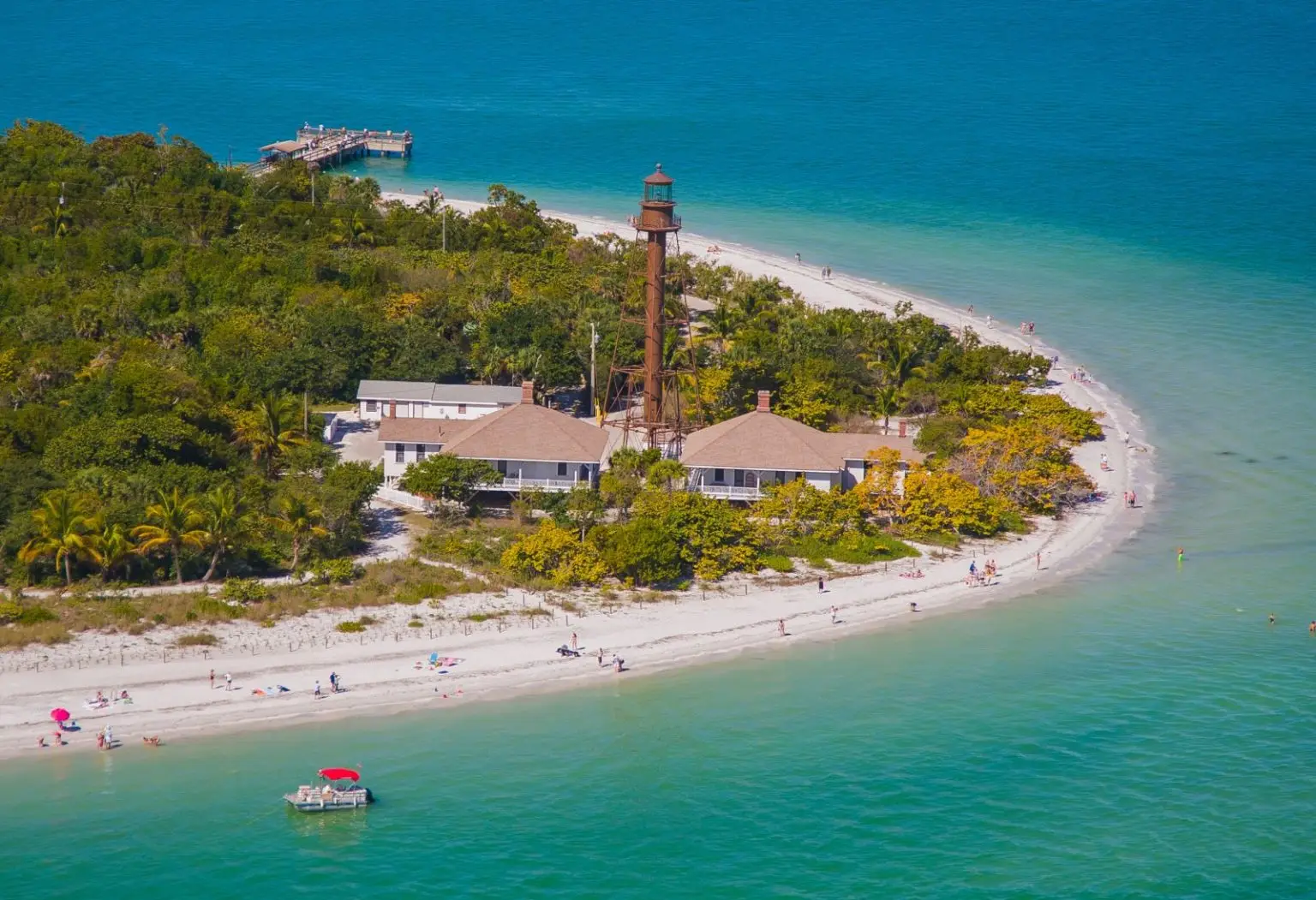
Sanibel Island is one of the most distinctive coastal destinations in Southwest Florida. The island is known for wide natural beaches, world-class shelling, and protected wildlife areas. The atmosphere feels calm and unhurried. Visitors come here to walk the shoreline, explore nature, and enjoy the Gulf of Mexico without crowds or high-rise development.
The island sits just west of Fort Myers and is connected to the mainland by the Sanibel Causeway. Once you cross the bridge, the environment changes quickly. Roads slow down. Palm trees and coastal vegetation replace busy city streets. The island focuses on nature, space, and quiet coastal living.
This guide explains what makes Sanibel Island unique, what visitors typically do here, and how to plan a comfortable stay while exploring the surrounding Southwest Florida region.
Sanibel Island is located on Florida’s Gulf Coast, just west of Fort Myers. The island sits at the edge of the Gulf of Mexico and forms part of the barrier island chain that protects the Southwest Florida coastline.
Visitors typically reach the island by driving across the Sanibel Causeway from Fort Myers. The drive from Cape Coral usually takes about 45 minutes depending on traffic.
Because Sanibel is close to several Southwest Florida destinations, many visitors combine it with stays in nearby areas. Cape Coral, for example, offers spacious waterfront homes and easy access to boating while still being close enough for day trips to the island.
Sanibel Island feels very different from many other Florida beach destinations. The island has strict building and environmental regulations that help preserve its natural character.
There are no large beachfront towers or heavy commercial development. Buildings remain relatively low, and much of the island is protected land.
Several characteristics define the Sanibel experience.
Sanibel beaches feel wide and open. The sand slopes gently into the Gulf, which creates long walking beaches.
Ocean currents deposit thousands of shells along Sanibel’s shoreline. Many visitors spend hours searching the sand for unique shells.
Large parts of the island are dedicated to conservation areas. These spaces support birds, marine life, and coastal ecosystems.
Sanibel encourages a calm rhythm. Visitors bike along shaded paths, walk the beach at sunrise, or watch wildlife at sunset.
The island does not feel like a typical resort destination. It feels more like a coastal nature preserve with small communities built into it.
Sanibel’s beaches are the main reason travelers visit the island. Several beach parks provide public access to the Gulf.
The beaches face slightly east compared with many Florida barrier islands. This unique orientation helps capture shells carried by Gulf currents.
Visitors often notice people walking slowly along the shoreline while bending down to search the sand. Locals sometimes call this the “Sanibel stoop.”
Popular beaches include:
One of the most natural and quiet beaches on the island. Visitors often come here for long walks and shelling.
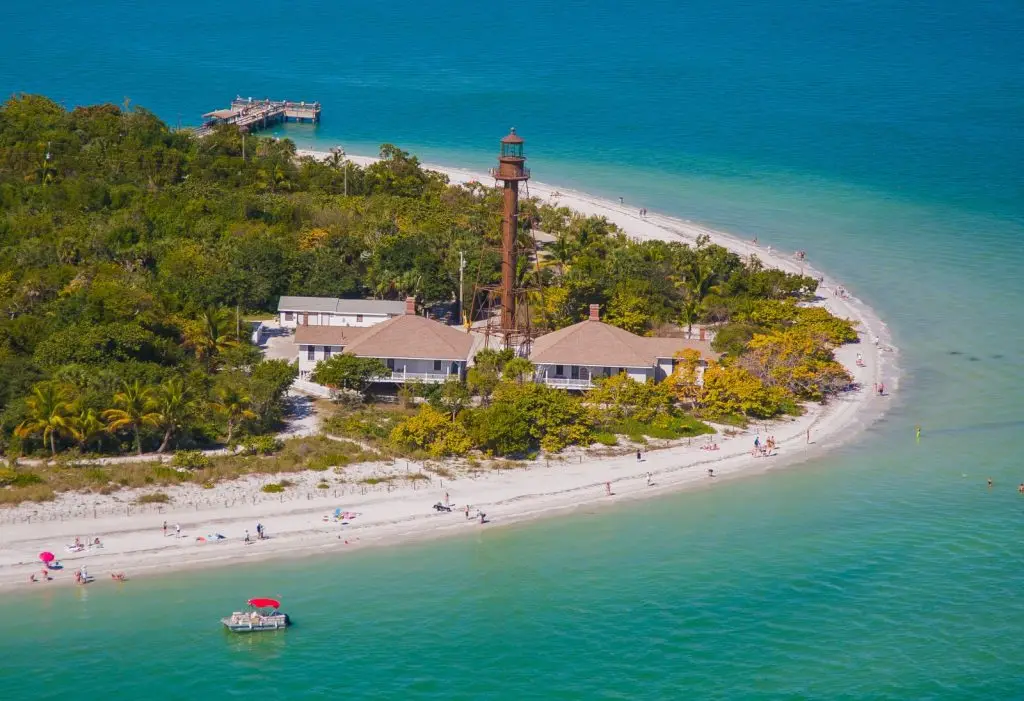
Located near the historic Sanibel Lighthouse at the eastern tip of the island. This area offers beautiful views where the Gulf meets San Carlos Bay.
A good location for shelling and calm swimming conditions.
The beaches remain relatively uncrowded compared with other Florida destinations. Many visitors come early in the morning when the light is soft and the tide reveals fresh shells.
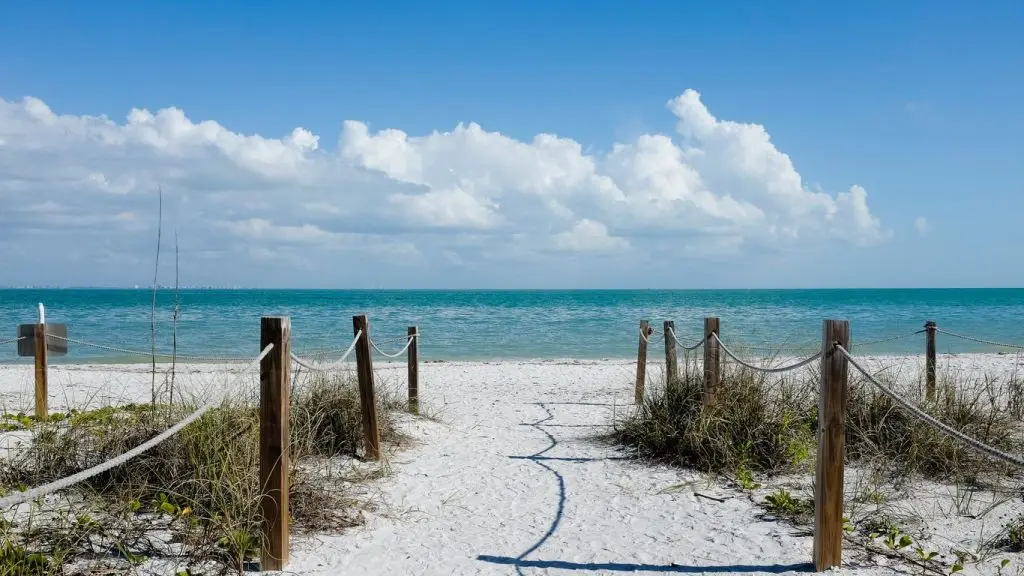
Sanibel Island is also known for its wildlife and protected natural areas. Much of the island remains dedicated to environmental conservation.
One of the most important areas is the J.N. “Ding” Darling National Wildlife Refuge. This large preserve protects mangroves, tidal flats, and wetlands that support hundreds of bird species.
Visitors often explore the refuge by:
The refuge is one of the best bird-watching locations in Florida. Herons, egrets, roseate spoonbills, pelicans, and ospreys appear regularly.
Because the island protects so much habitat, wildlife is visible in many places. Dolphins often swim offshore, and manatees occasionally appear in quiet waterways.
Most Sanibel activities revolve around nature and the coast. Visitors typically spend their time outdoors.
Common activities include:
The island is considered one of the best shelling locations in North America.
Sanibel has miles of paved bike trails that run through neighborhoods, nature areas, and coastal roads.
Mangrove channels and calm bays provide excellent paddling conditions.
The surrounding waters offer both inshore and nearshore fishing opportunities.
Many visitors return to the beach in the evening when the Gulf reflects the setting sun.
The atmosphere remains relaxed. People visit Sanibel to slow down and spend time outdoors rather than rushing between attractions.
Accommodations on Sanibel Island are often smaller resorts, beach cottages, and condos. Because development is limited, options can fill quickly during peak travel periods.
Many visitors choose to stay nearby while still exploring the island. Cape Coral is one of the most practical bases for exploring Southwest Florida.
Cape Coral offers several advantages for travelers:
Vacation homes give families more space and privacy compared with traditional hotel stays. Kitchens, living areas, and outdoor terraces create a comfortable environment for longer trips.
The homes we provide a structured and prepared stay experience. Guests receive clear arrival instructions, local support, and reliable standards before they arrive.
Your stay should feel uncomplicated. You know what to expect before arrival.
Sanibel Island works best as part of a broader Southwest Florida travel plan. The region offers several nearby destinations that complement the island experience.
Visitors often combine Sanibel with:
Known for its canal system, boating lifestyle, and waterfront homes.
A historic coastal city with restaurants, marinas, and waterfront districts.
A more upscale coastal town known for shopping, golf, and beaches.
The advantage of Southwest Florida is flexibility. You can spend the morning on a quiet island beach and return to a waterfront home by the afternoon.
Yes. The island’s calm beaches, bike paths, and wildlife areas make it a relaxed environment for families. Many activities are outdoors and easy to enjoy with children.
The drive from Cape Coral usually takes around 40–50 minutes depending on traffic and bridge access.
Sanibel Island is best known for shelling. The island’s shoreline collects thousands of shells due to its geographic orientation.
Yes. Many visitors stay in nearby cities such as Cape Coral or Fort Myers and drive to the island for a day of beach walking, shelling, and wildlife viewing.
Sanibel can be visited year-round. Winter and spring are particularly popular because the weather is warm and dry.
SELF MANAGING VS PROFESSIONAL MANAGEMENT What is the difference between self-managing and professional management? The difference is rarely the property.
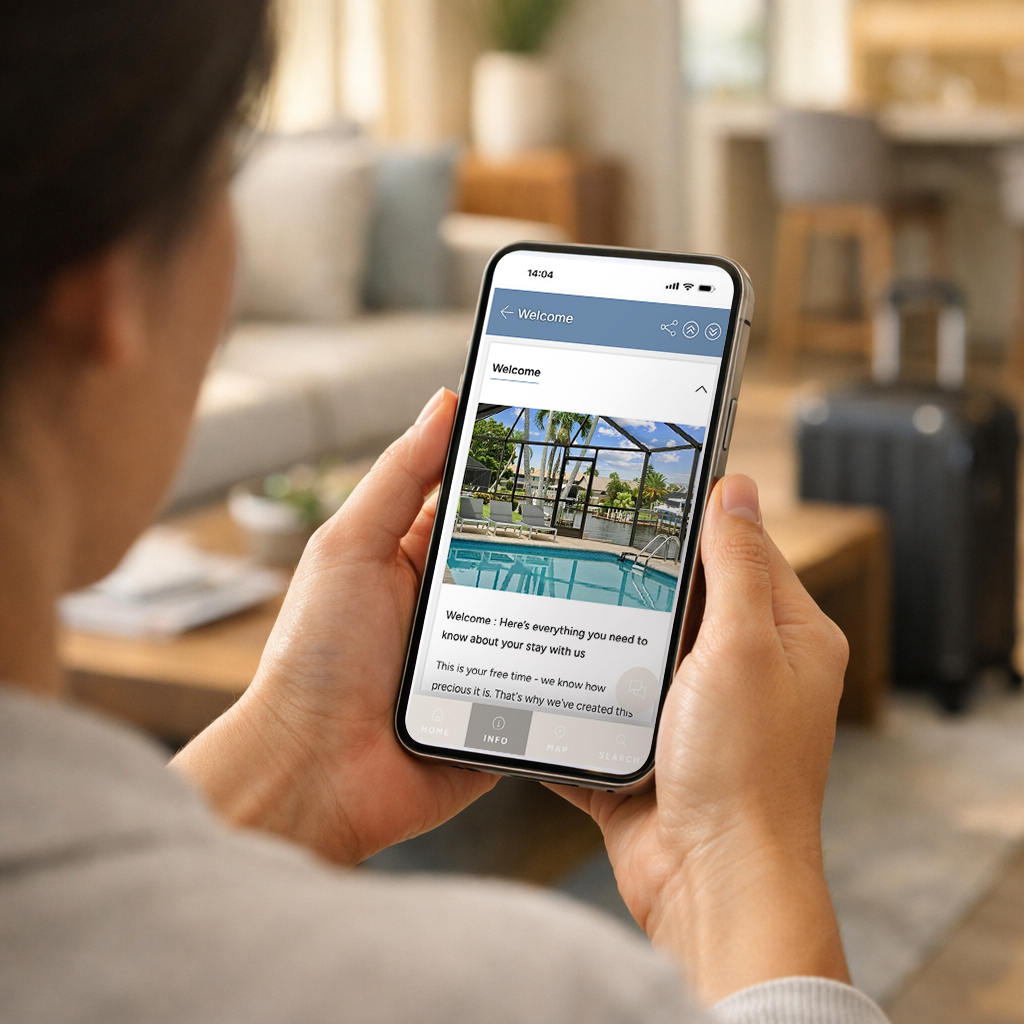
Clear, structured vacation rental management in Southwest Florida. See how your property moves from setup to bookings and ongoing performance.
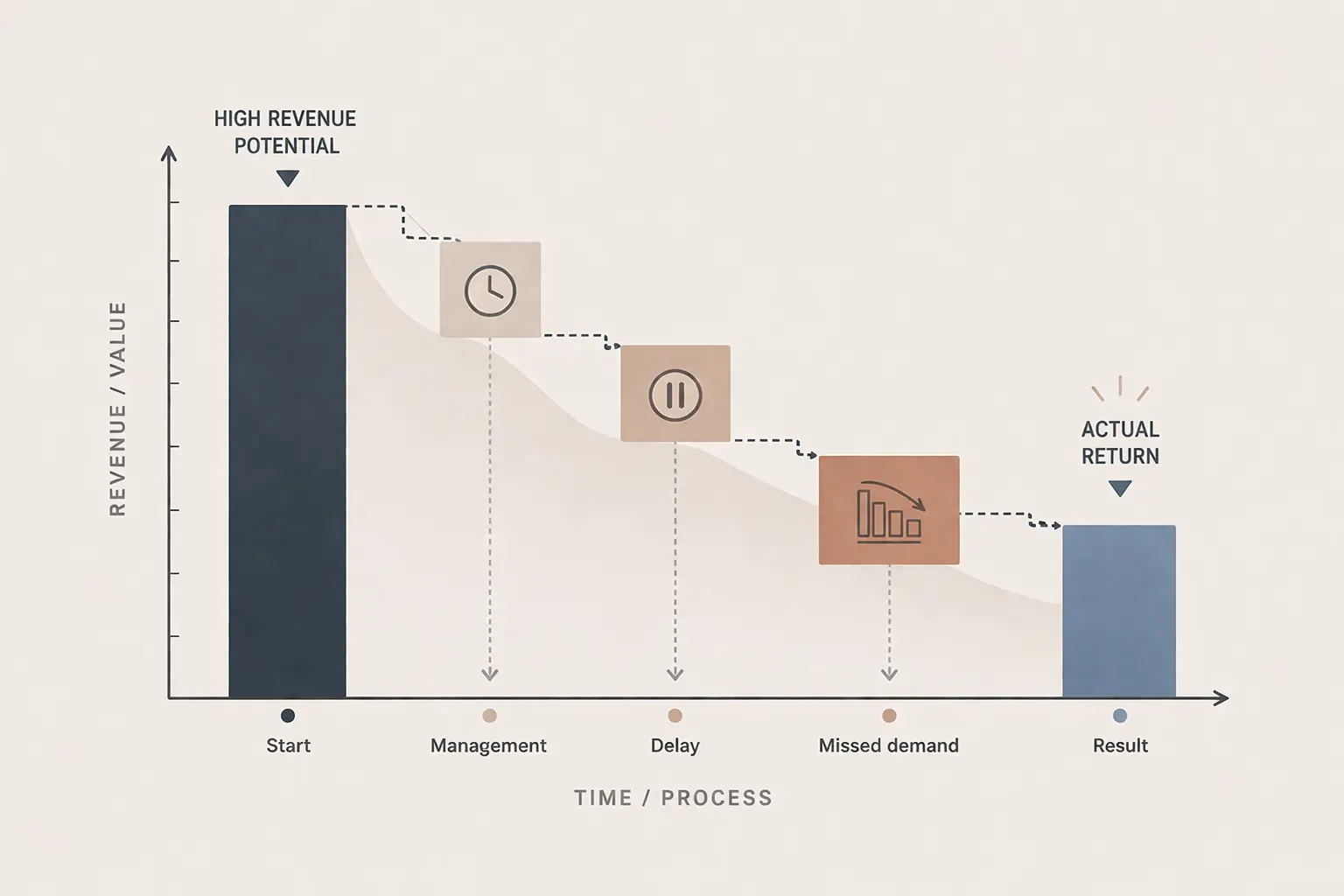
Hidden costs of self managing in Southwest Florida. Discover where revenue is lost through pricing, timing and manual workload.