
Self Management vs Property Manager: The Real Numbers
SELF MANAGING VS PROFESSIONAL MANAGEMENT What is the difference between self-managing and professional management? The difference is rarely the property.
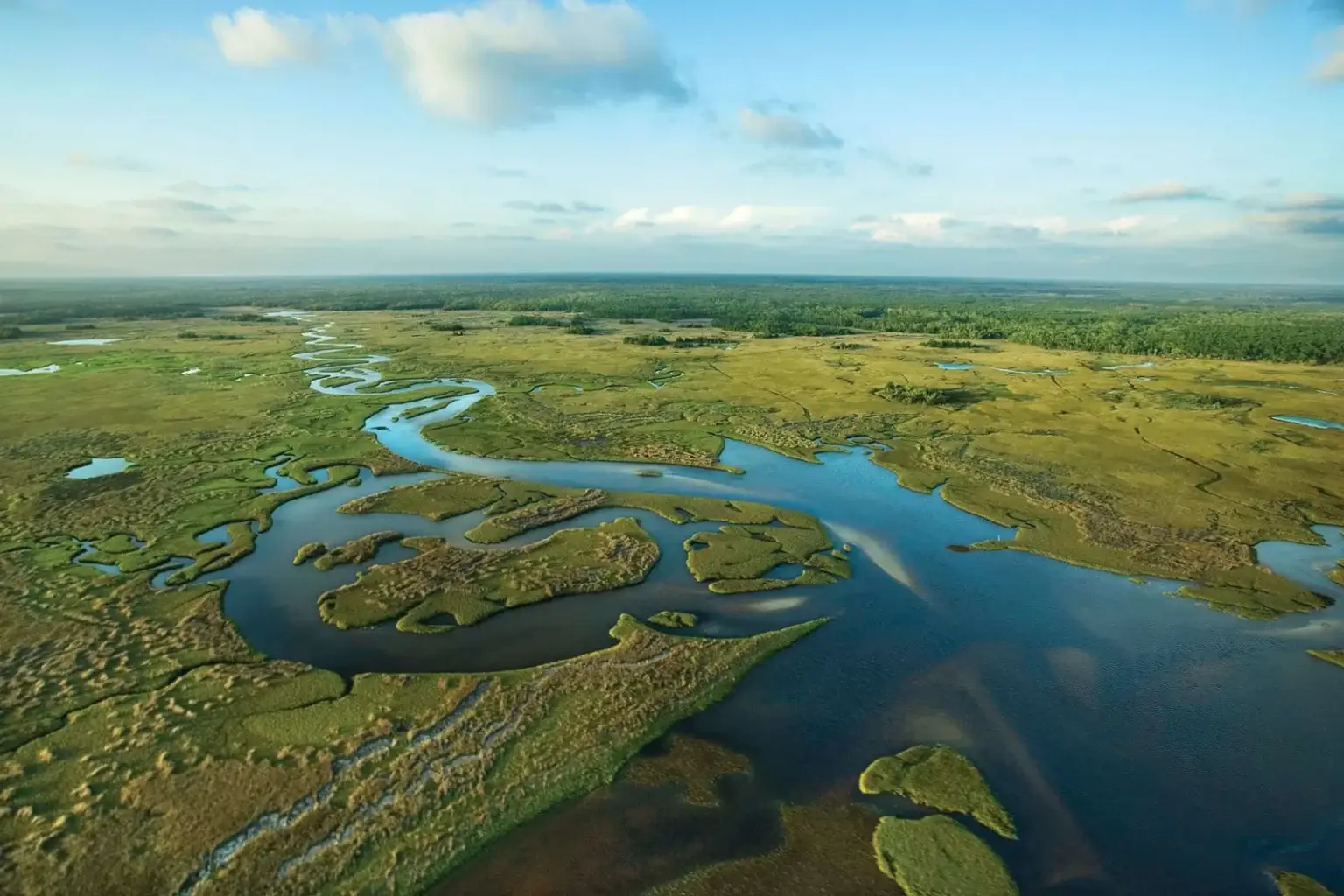
Everglades National Park is one of the most unique natural landscapes in the United States. The park protects a vast subtropical wilderness of wetlands, mangroves, and slow moving rivers that stretch across southern Florida. Visitors exploring the region often combine a visit to the Everglades with time along the Gulf Coast in places like Cape Coral.
The park is known for its incredible biodiversity. Alligators, manatees, dolphins, turtles, and hundreds of bird species live within the protected ecosystem. Travelers interested in nature and wildlife often include the Everglades while exploring broader destinations across Southwest Florida.
Unlike a typical national park filled with mountains or forests, the Everglades is defined by water. The landscape moves slowly through marshes, mangrove forests, and shallow grasslands.
This Everglades National Park guide explains where the park is located, how visitors explore it, and how the experience fits into a Florida trip that may also include coastal destinations like Sanibel Island or Captiva Island.
Everglades National Park covers a large portion of southern Florida. The park stretches across multiple counties and connects inland wetlands with coastal mangrove forests along the Gulf of Mexico.
The main entrances to the park are located near Miami, Homestead, and Everglades City. Because of this layout, travelers often approach the park from cities such as Miami or from the Gulf Coast side of Florida.
Visitors staying in Southwest Florida commonly explore the Everglades through day trips from areas like Cape Coral or Fort Myers.
The drive from Cape Coral to Everglades City typically takes about two hours depending on traffic and route.
The Everglades ecosystem is often called a “river of grass.” Water slowly flows from Lake Okeechobee south toward Florida Bay and the Gulf of Mexico.
This slow movement of water creates a massive wetland environment filled with sawgrass marshes, mangrove forests, cypress domes, and shallow bays.
The park protects more than 1.5 million acres of wilderness. Because of its ecological importance, Everglades National Park is recognized as a UNESCO World Heritage Site and an International Biosphere Reserve.
Visitors exploring the park often combine the experience with coastal trips to Gulf destinations such as Sanibel Island or the beaches highlighted in the guide to the must visit beaches of Southwest Florida.
The Everglades is one of the most biologically diverse ecosystems in North America. Wildlife viewing is one of the main reasons visitors come to the park.
Some of the most common animals visitors see include:
Birdwatching is particularly popular in the Everglades. The wetlands provide feeding grounds for many migratory birds throughout the year.
Travelers interested in wildlife and coastal ecosystems often combine Everglades visits with barrier islands like Captiva Island, where dolphins and seabirds are commonly seen along the shoreline.
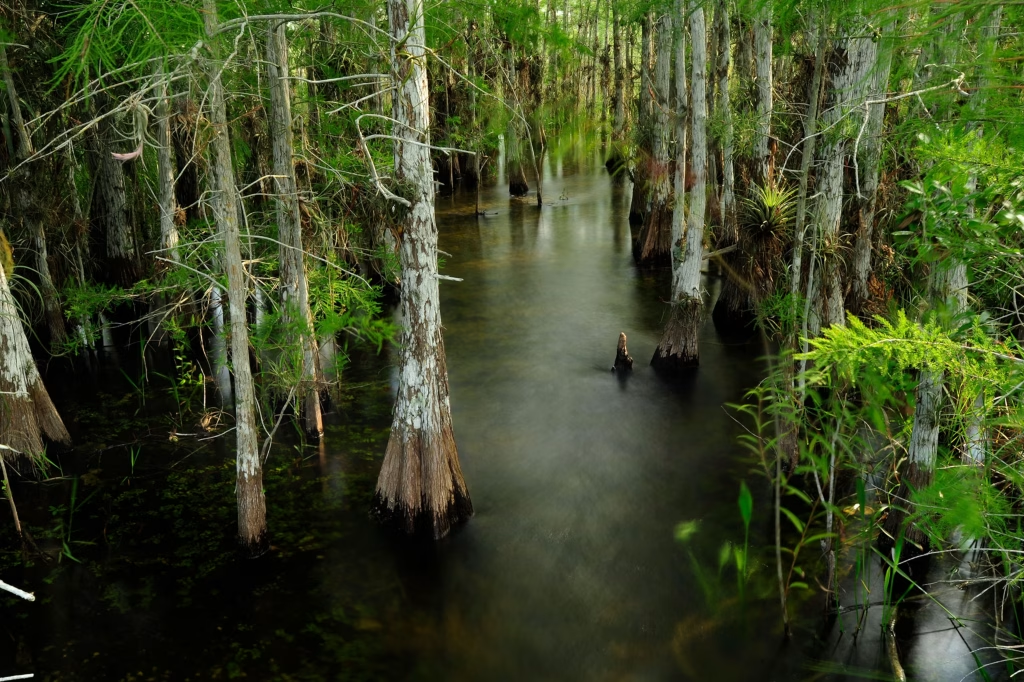
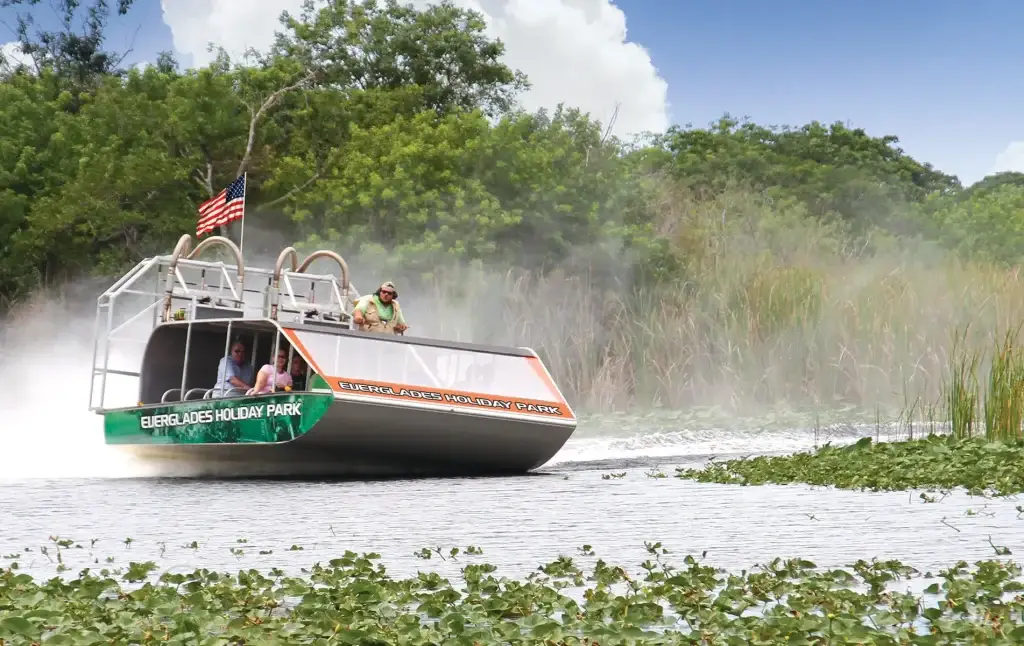
The Everglades is explored very differently from most national parks. Instead of mountain trails or scenic drives, many activities take place on water.
Visitors can explore the park through a variety of experiences that allow them to observe wildlife and the unique wetland landscape.
Airboat tours are one of the most recognizable Everglades experiences. These flat bottom boats glide across shallow water using large propellers mounted above the boat.
Guided airboat tours often focus on wildlife viewing, especially alligators and bird species that live in the wetlands.
Travelers visiting South Florida often combine these tours with time in cities such as Miami or coastal areas like Sarasota.
Kayaking is one of the most peaceful ways to explore the Everglades. Paddling through mangrove tunnels allows visitors to move quietly through the ecosystem.
This approach often brings travelers closer to wildlife than larger boat tours.
Visitors who enjoy kayaking often continue their trip along the Gulf Coast, where calm waters around Cape Coral and nearby islands provide excellent paddling opportunities.
Several trails and boardwalks allow visitors to observe the Everglades landscape from elevated walkways.
These trails provide safe access to wetlands where visitors can often see alligators resting in shallow water or birds feeding along the marsh edges.
Nature focused travelers frequently combine the Everglades with other outdoor destinations such as Sanibel Island, known for birdlife and coastal wildlife.
The best time to visit the Everglades is during Florida’s dry season, which typically runs from November through April.
During these months temperatures are more comfortable and mosquito activity is lower. Wildlife is also easier to see because animals gather around remaining water sources.
Summer months can be very hot and humid, with frequent afternoon storms.
Many visitors combine winter Everglades trips with beach destinations such as Clearwater Beach or island areas like Captiva Island.
Many travelers include the Everglades as part of a broader Florida itinerary that also includes Gulf Coast destinations.
Visitors staying in Southwest Florida often spend several days enjoying beaches and waterfront living before taking day trips inland.
Areas such as Cape Coral provide a comfortable base for exploring the region. The area offers canal homes, boating access, and easy drives to surrounding attractions.
Travelers looking for extra space and privacy often stay in Southwest Florida vacation villas and explore the Everglades, beaches, and nearby cities during their stay.
For visitors planning activities around the Gulf Coast, guides such as the best things to do in Cape Coral help organize a balanced Florida itinerary.
The park protects one of the largest subtropical wetland ecosystems in the world and is known for its wildlife, including alligators, birds, and mangrove habitats.
Yes. American alligators are common in the park and are often seen along canals, marsh edges, and boardwalk trails.
Most airboat tours operate in wetlands north of the national park boundaries. Inside the park, exploration typically happens by hiking, cycling, or kayaking.
Many visitors spend half a day to a full day exploring one section of the park.
Yes. Short boardwalk trails and wildlife viewing areas make the park accessible for visitors of different ages.
SELF MANAGING VS PROFESSIONAL MANAGEMENT What is the difference between self-managing and professional management? The difference is rarely the property.

Clear, structured vacation rental management in Southwest Florida. See how your property moves from setup to bookings and ongoing performance.
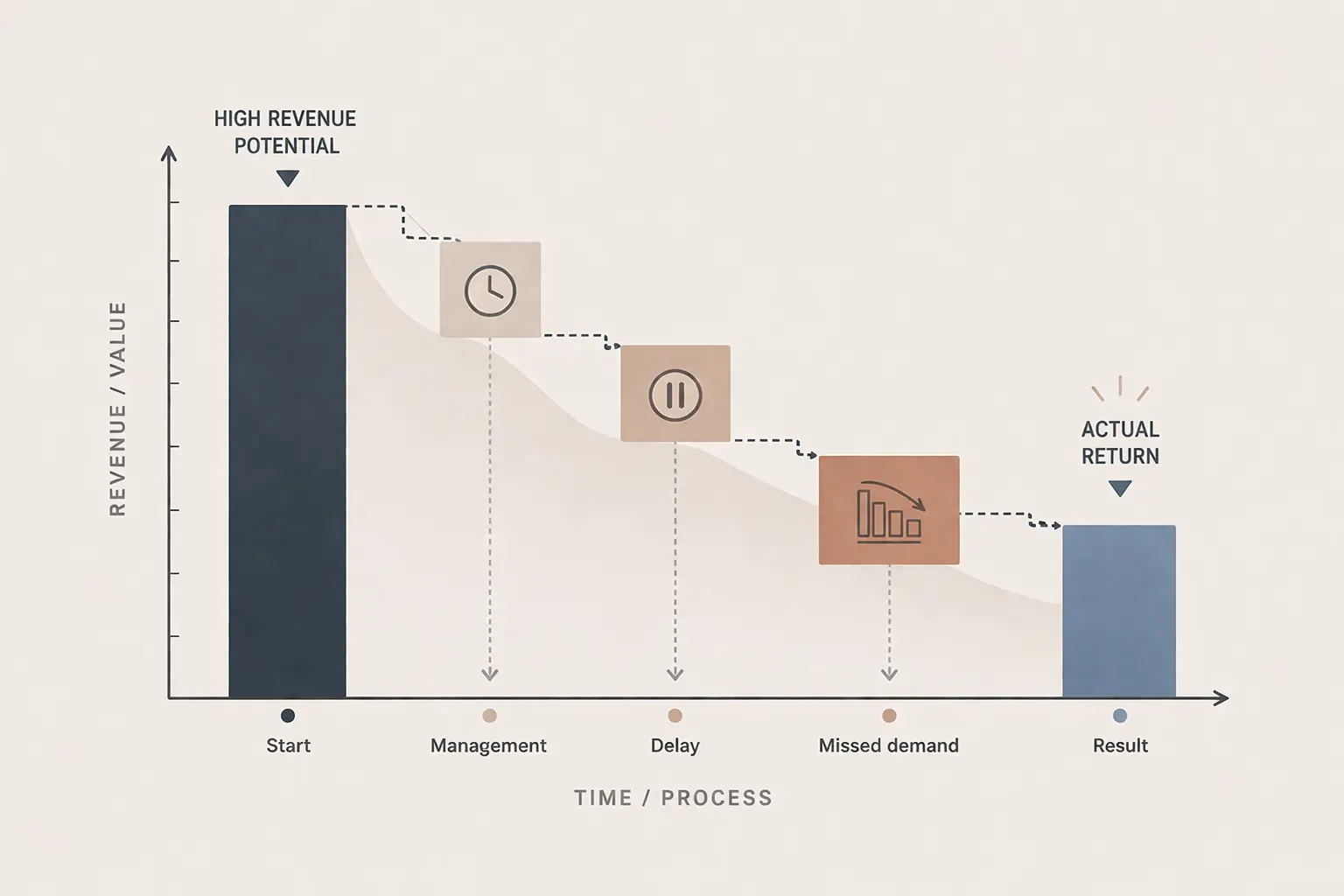
Hidden costs of self managing in Southwest Florida. Discover where revenue is lost through pricing, timing and manual workload.