Airbnb vs VRBO vs Direct Booking for Southwest Florida Homeowners

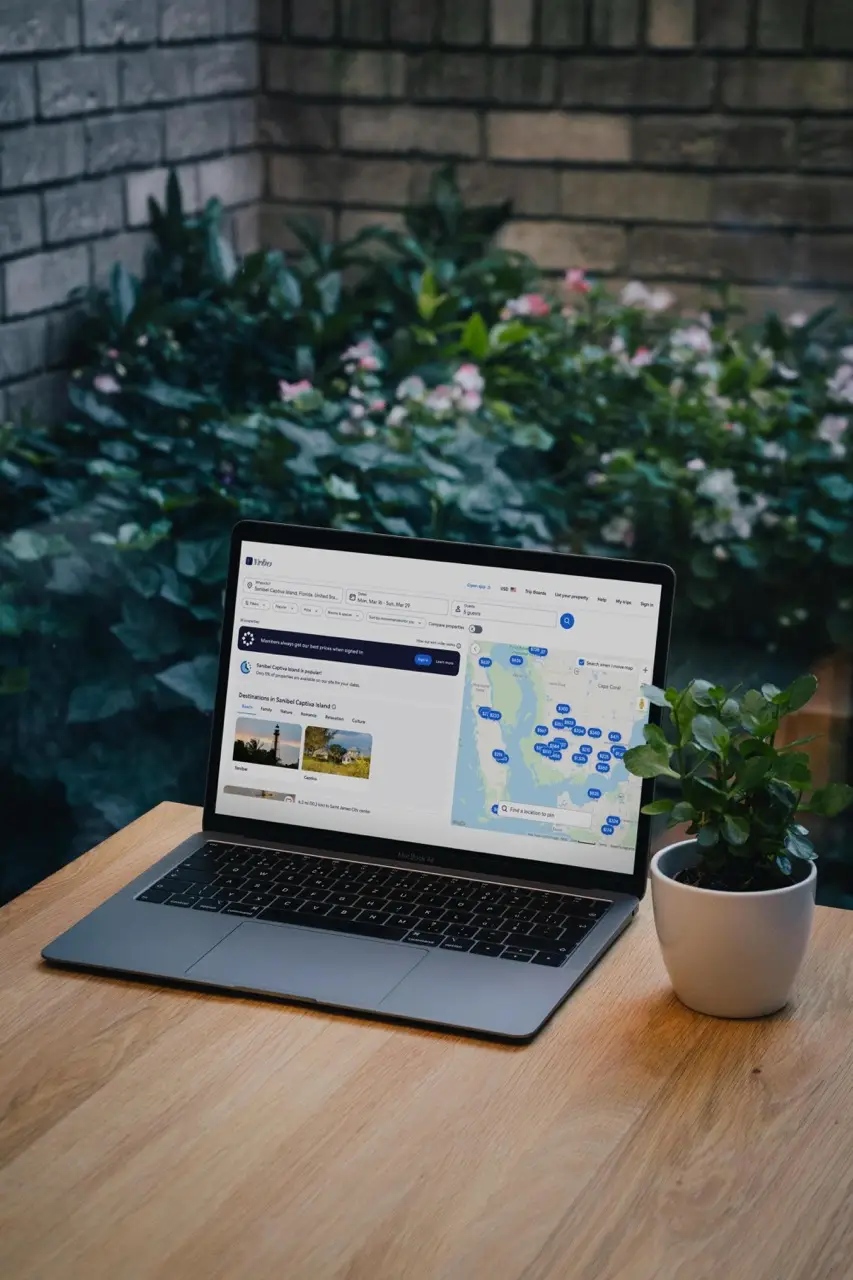
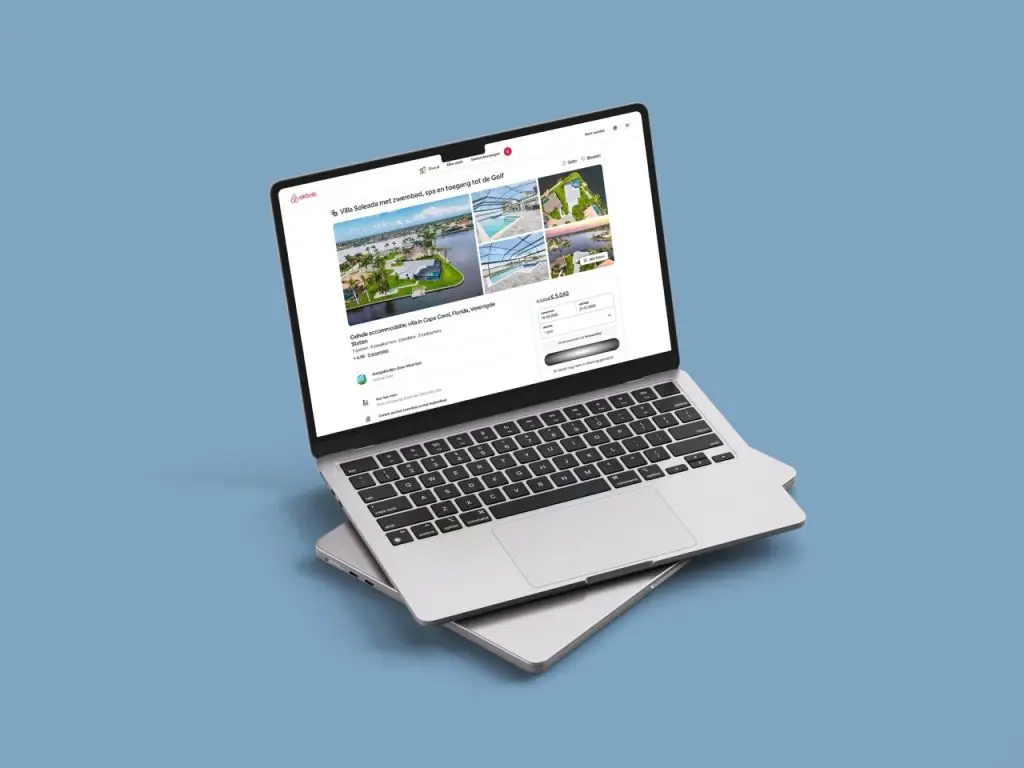
Getting your Southwest Florida vacation rental in front of the right guests means being visible on Airbnb, VRBO, and a direct booking channel simultaneously. Each platform works differently. Each has its own fee structure, its own ranking algorithm, and its own guest expectations. Managing all three well is a continuous job, not a setup task.

Most owners who start self-managing underestimate what active multi-platform management actually requires. This page explains what is involved, what the differences are between Airbnb, VRBO, and direct booking, and why most owners with Southwest Florida properties are better off with a manager who handles all three channels as part of a standard service.

What Airbnb, VRBO, and direct booking each do

Airbnb

Airbnb is the highest-volume platform for most Southwest Florida vacation rentals. It reaches a broad audience: families, couples, groups, and solo travelers across all age ranges. In the current FFCV portfolio, Airbnb accounts for 41.9% of total bookings.

Airbnb’s algorithm is response-rate sensitive. A delayed reply to a booking inquiry affects your ranking directly. A drop in review average, even one three-star review after a strong run, can suppress visibility for weeks. Listing quality, photo order, pricing relative to competitors, and acceptance rate all feed into where your property appears in search results. None of this is set-and-forget.

Airbnb offers two fee models. Under the split-fee model, the host pays 3% and the guest pays a 14 to 16% service fee on top of the nightly rate. Under the host-only model, the host pays 14 to 16% and the guest sees a single displayed price. The right model affects how your property prices relative to competitors, and switching models mid-season has consequences for visibility.

VRBO

VRBO attracts US families, larger groups, and travelers who plan further in advance. Average stay length on VRBO is 5 to 7 nights versus 3 to 4 nights on Airbnb. Average booking value per stay is higher. In the current FFCV portfolio, VRBO accounts for 31.9% of bookings.

VRBO’s guest fee structure is lower than Airbnb’s (6 to 12% versus 14 to 16%), which means the same owner rate results in a lower total price for the guest on VRBO. If you list at the same nightly rate on both platforms without accounting for this difference, you are leaving conversion on the table on one or both platforms.

VRBO’s ranking algorithm is more stable than Airbnb’s, but it is still driven by listing completeness, review volume, and response time. A property that performs well on Airbnb is not automatically competitive on VRBO without separate optimization.

Direct booking

A direct booking happens through your own booking channel — a website with a reservation system, calendar, and payment processing — outside of Airbnb and VRBO. No platform commission applies to either side.

Direct booking eliminates 3 to 16% in platform fees per booking depending on which model you use. On a $2,500 booking, that is $75 to $400 per transaction. It also reduces platform dependency. A property generating 90% of its revenue through one OTA has a single point of failure: algorithm change, listing suspension, or policy update can cut income overnight.

Building a direct booking channel requires a booking website, calendar synchronization across all platforms, a payment system, guest screening (which platforms handle automatically), and a strategy to convert platform guests into repeat direct bookers. Without a manager doing this on your behalf, it is infrastructure you build and maintain yourself — on top of running the property.

How Airbnb and VRBO compare side by side

 AirbnbVRBO
Owner fee (split-fee model)3% of booking subtotal5% of booking subtotal
Guest service fee14-16% on top of nightly rate6-12% on top of nightly rate
Primary audienceWide demographic, all agesUS families, longer stays, higher spend
Average stay length3-4 nights5-7 nights
Entire-home listings onlyNo (also shared spaces)Yes
Algorithm sensitivityHigh — response rate, review score, pricingMore stable, slower to shift
Damage protectionAirCover (built-in)Property damage protection (paid option)

What self-managing across all three channels actually involves

Listing on Airbnb only is the most common self-management setup. It is also the weakest. Owners who add VRBO consistently see 15 to 25% more total bookings, because the guest audiences do not fully overlap. Adding a direct booking channel on top of that adds more, but it also multiplies the workload. Managing three channels simultaneously means: keeping calendars synchronized to prevent double bookings, pricing each platform differently to account for their different fee structures, responding to inquiries within one hour on each platform (the algorithm threshold), managing reviews and responding to every checkout, and handling the guest relationship from first inquiry through post-stay follow-up across three separate inboxes and systems. Research indicates self-managing owners run 15 to 20% below market ADR because they price statically rather than adjusting to daily demand. On a Southwest Florida property generating $50,000 under active management, that gap is $7,500 to $10,000 per year in unrealized income — more than most management fees. This is before accounting for response time. Airbnb penalizes slow responses directly in search ranking. For an owner in a different time zone — the Netherlands, Belgium, the UK — maintaining sub-one-hour response times across Florida business hours without local support is not realistic.

How FFCV handles all three channels for your property

Florida First Class Villas lists and actively manages your property on Airbnb, VRBO, and the FFCV direct booking platform from day one. You do not need to set up accounts, manage listings, or coordinate pricing across platforms. We do that as part of standard management. Our current booking distribution across the portfolio is 41.9% Airbnb, 31.9% VRBO, and 23.3% direct bookings. That mix is the result of active management across all three channels — not a default that happens by itself. Most single-platform or passively managed properties concentrate risk in one channel and leave the other two underperforming. We update pricing daily based on market data, competitor occupancy, and forward demand across all three channels simultaneously. We handle all guest communication before, during, and after every stay. We respond to inquiries within one hour during business hours regardless of where you are in the world. As your portfolio builds direct booking share over time, platform dependency decreases. That is a structural improvement in your property’s revenue stability — not something that happens by accident.

Get a free analysis for your Southwest Florida property

We run a free property analysis that includes what comparable properties in your area actually generate across all channels, and a realistic picture of what active multi-platform management produces versus single-channel or self-managed alternatives.

FAQ

List on both from day one. The audiences do not fully overlap. Owners who add VRBO to an existing Airbnb listing consistently see 15 to 25% more total bookings. FFCV sets up and manages both platforms as part of standard onboarding — you do not have to choose.

Airbnb offers two models. Under the split-fee model, hosts pay approximately 3% and guests pay 14 to 16%. Under the host-only model, the host pays 14 to 16% and sets a single guest-facing price. Most professional managers use the host-only model for pricing consistency across platforms

VRBO’s guest fee (6 to 12%) is lower than Airbnb’s (14 to 16%), which means the same owner rate results in a lower total displayed price for the guest on VRBO. This affects how you should price across platforms. Managing this difference manually, across both channels simultaneously, is one of the things a property manager does daily.

Direct bookings eliminate the platform commission entirely — 3 to 16% depending on fee model. On a $2,500 booking, that is $75 to $400 per transaction. FFCV builds and manages a direct booking channel for every property in the portfolio, growing that share over time to reduce OTA dependency.

Technically yes, but practically it is difficult. Airbnb penalizes response times above one hour in its ranking algorithm. Florida operates on Eastern Time, 5 to 6 hours behind Central European Time. Maintaining consistent response times from Europe without local support means being available outside of normal working hours every day a booking inquiry arrives. FFCV handles all guest communication from Florida time, regardless of where you are.

Share the Post:

Related Posts

Things to do in Cape Coral

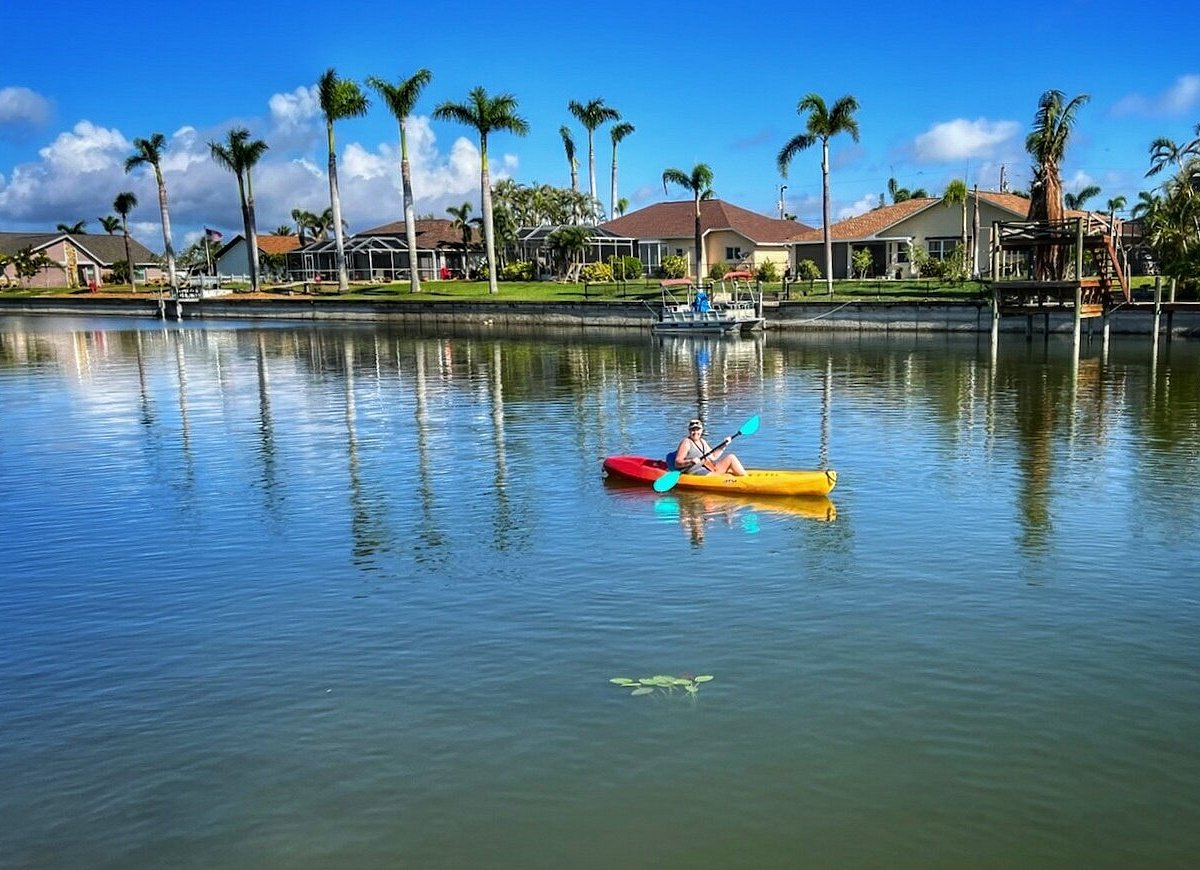
Things to do in Cape Coral range from kayaking 400+ miles of canals to spotting burrowing owls at Rotary Park. This guide covers the top waterfront activities, wildlife experiences, local events, and day trips from Cape Coral, Florida.

Read More