
Self Management vs Property Manager: The Real Numbers
SELF MANAGING VS PROFESSIONAL MANAGEMENT What is the difference between self-managing and professional management? The difference is rarely the property.
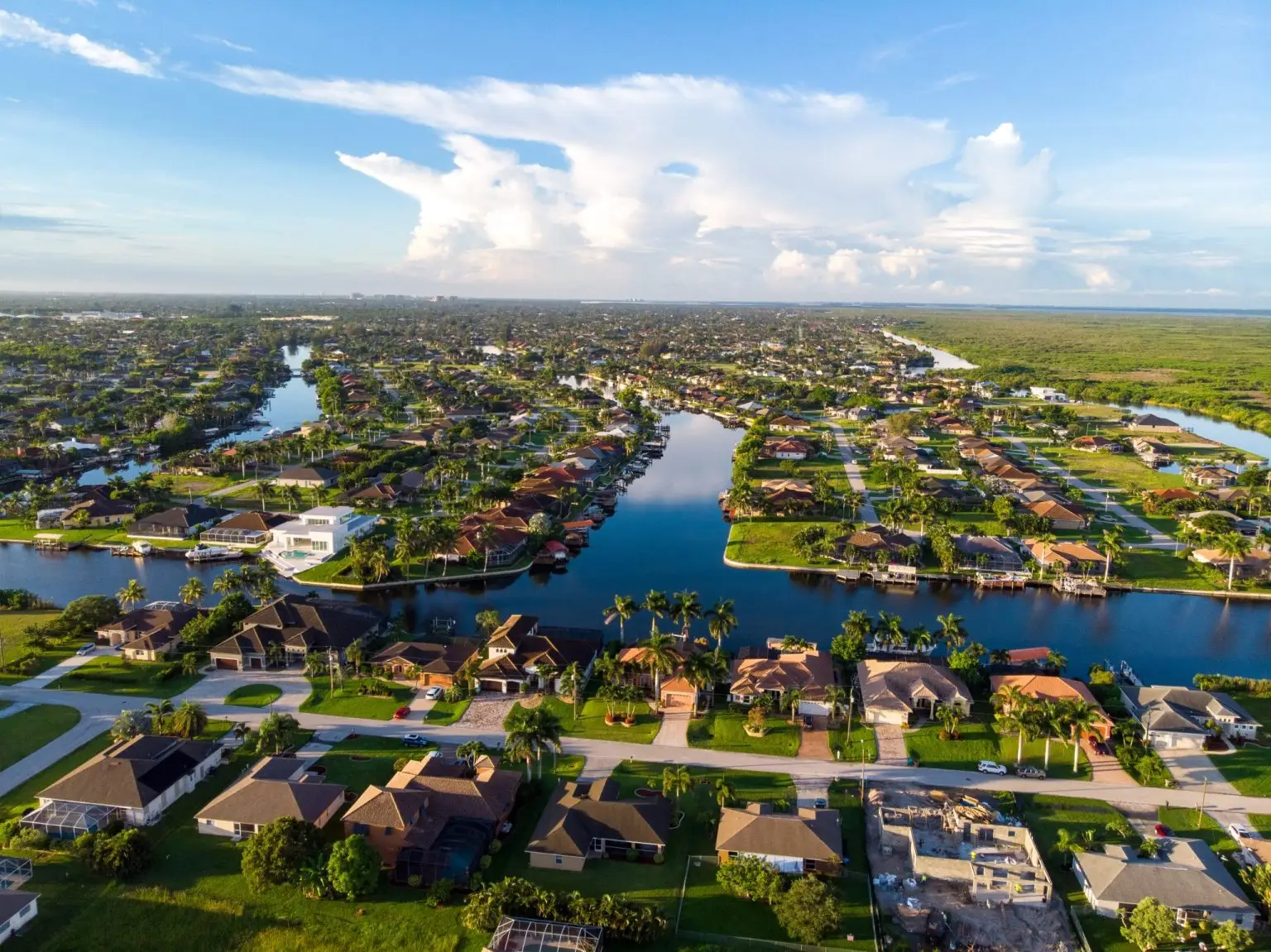
Operating a vacation rental in Cape Coral requires compliance at three levels: Florida state, Lee County, and the City of Cape Coral. As of January 1, 2026, Cape Coral introduced a mandatory annual rental registration program with fees and enforcement penalties. Missing any one level does not cancel the others.
This guide covers what you need, in what order, and what the consequences are for operating without the right paperwork.
Florida requires all vacation rental operators to register with the Department of Business and Professional Regulation (DBPR) before taking any bookings. This applies to any property rented for periods under 30 days more than three times per year.
The DBPR classifies rentals by property type (dwelling unit, whole house, condo unit). The registration type differs, but the requirement to register is the same across all types.
What you need:
Processing time: Typically two to four weeks via the DBPR online portal. Apply before listing on any platform.
Annual renewal: The license renews each year. Operating with an expired license carries the same penalties as no license.
Airbnb and VRBO prompt for a DBPR license number during listing setup. An active license number protects your listing from being flagged or suspended.
Cape Coral introduced a mandatory rental registration program effective January 1, 2026. All residential rental properties, including short-term vacation rentals, must register with the city annually.
Key details:
Penalties for non-registration:
This is separate from and in addition to the state DBPR license. Both are required.
Lee County levies a 5% Tourist Development Tax (TDT) on all short-term rental income. This applies to all rentals of six months or less within Lee County, which includes Cape Coral.
Platform bookings: Airbnb and VRBO collect and remit the TDT on your behalf. You do not need to file separately for platform bookings.
Direct bookings: If guests pay you directly outside a platform, you are responsible for collecting the 5% TDT and remitting it to the Lee County Tax Collector. Payments are monthly or quarterly based on revenue volume. Late remittance carries interest and penalties. The county can assess unpaid TDT retroactively for up to three years.
If you work with a property manager who takes direct bookings, confirm in your management agreement that the manager collects and remits TDT on those bookings.
Before completing any registration step, confirm that your homeowners association or condo association permits short-term rentals. Many gated communities and condo complexes in Cape Coral restrict rentals to 30-, 60-, or 90-day minimums, or prohibit non-owner rentals entirely.
HOA rules are private agreements. A valid state DBPR license and a city registration do not override an HOA prohibition. Violating HOA rental rules can result in fines, legal action, and forced removal of guests.
Review your Declaration of Covenants, Conditions, and Restrictions (CC&Rs) before proceeding. If the document is unclear, request written clarification from your HOA board.
Florida law limits local governments from banning short-term rentals outright for ordinances passed after June 1, 2011. Cape Coral’s 2026 registration requirement is a compliance and registration mechanism, not a prohibition. The right to operate a vacation rental in Cape Coral is preserved under state preemption for properties not subject to HOA restrictions.
This area of law continues to evolve at the state level. Monitor Florida legislative updates for potential changes.
| Requirement | Issued by | Cost | Renewal |
|---|---|---|---|
| DBPR vacation rental license | Florida state | Varies (see DBPR) | Annual |
| City rental registration | City of Cape Coral | $350/year | Annual |
| Tourist Development Tax registration | Lee County Tax Collector | No fee | Ongoing remittance |
Regulatory compliance is part of the onboarding process when you work with Florida First Class Villas. We confirm DBPR license status and city registration before listing your property. We handle Tourist Development Tax remittance on all direct bookings. We track renewal dates for both the state license and the city registration.
Owners who join without active registrations receive guidance on completing each step before the property goes live.
For a full overview of what we manage, see Cape Coral vacation rental management.
If you are preparing to rent your Cape Coral property, we can tell you what comparable properties in your area generate alongside a clear picture of the regulatory steps involved.
Yes. As of January 1, 2026, all short-term rental properties in Cape Coral must register with the City of Cape Coral. The annual fee is $350. This is separate from the Florida DBPR license, which is also required.
First violation: $1,000. Second violation: $2,000. The City actively monitors short-term rental listings and cross-references them against the registration list.
No. The 5% Lee County Tourist Development Tax is separate from Florida state sales tax (6%) and the 0.5% discretionary surtax. All three apply to short-term rental income. Airbnb and VRBO collect and remit these automatically for platform bookings; direct bookings require manual remittance.
Yes. Direct-access Gulf properties typically command $100 to $200 per night more than non-waterfront homes in Cape Coral. Indirect access (freshwater canals with no Gulf access) falls in between.
Registration is through the City of Cape Coral at CapeCoral.gov/RentalRegistration. Florida DBPR registration is handled separately through myfloridalicense.com.
SELF MANAGING VS PROFESSIONAL MANAGEMENT What is the difference between self-managing and professional management? The difference is rarely the property.
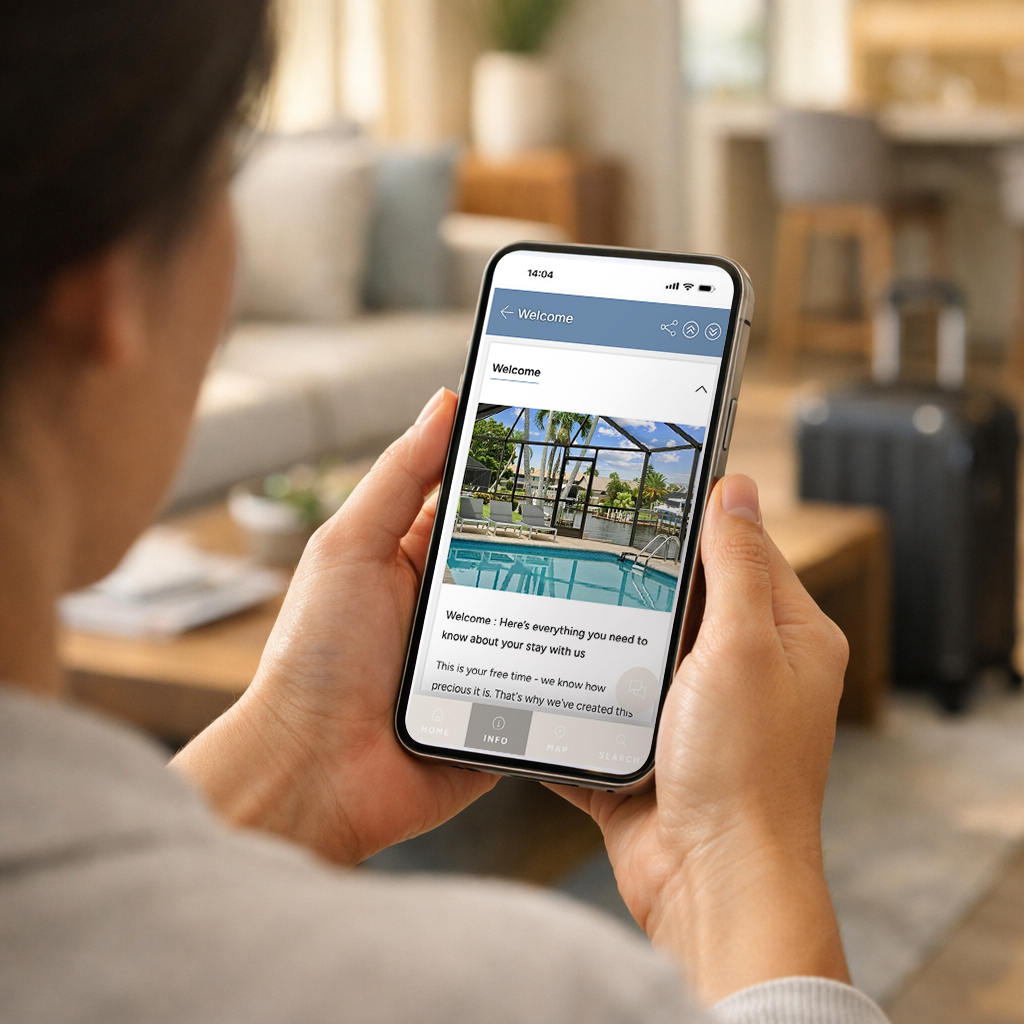
Clear, structured vacation rental management in Southwest Florida. See how your property moves from setup to bookings and ongoing performance.
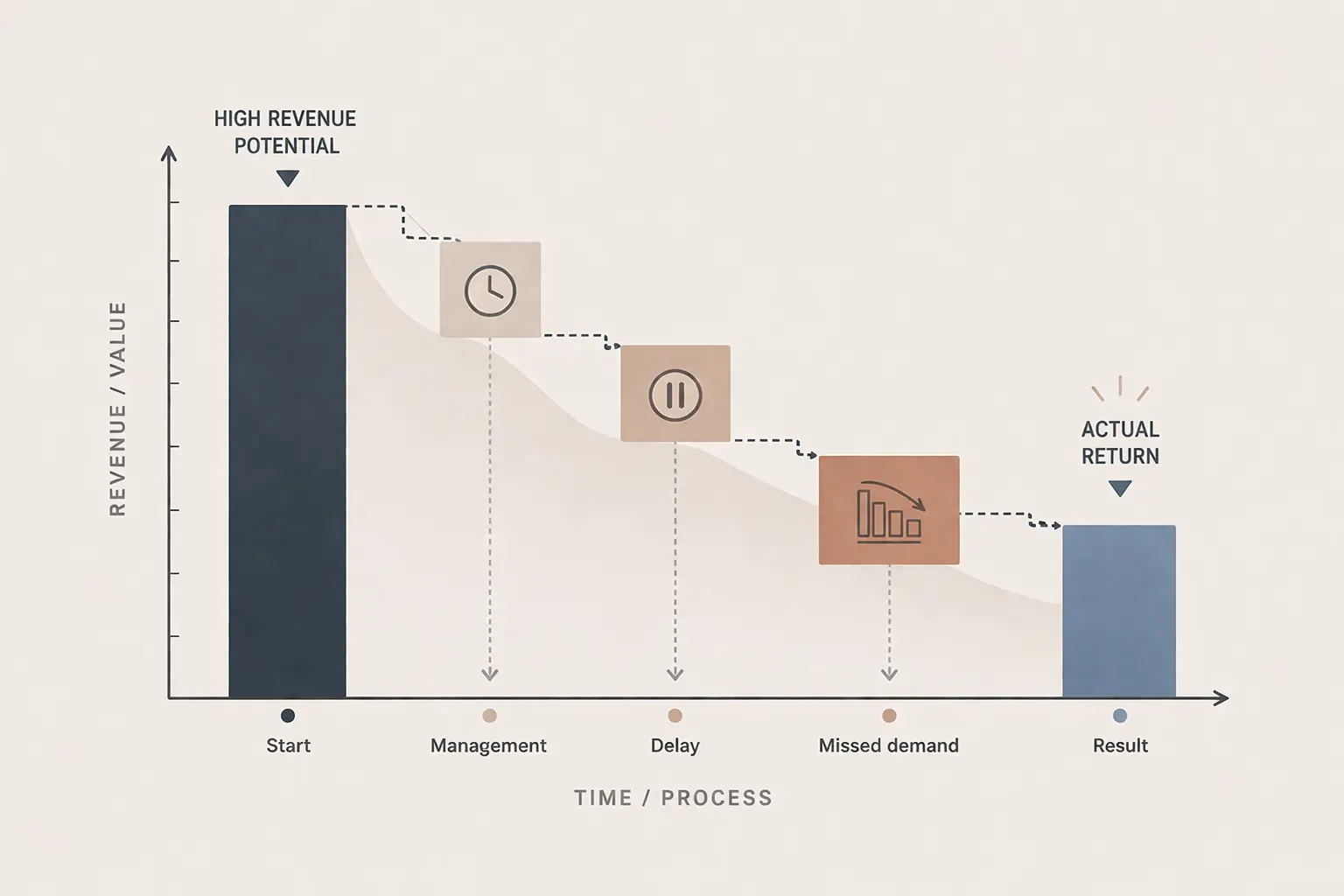
Hidden costs of self managing in Southwest Florida. Discover where revenue is lost through pricing, timing and manual workload.