
Self Management vs Property Manager: The Real Numbers
SELF MANAGING VS PROFESSIONAL MANAGEMENT What is the difference between self-managing and professional management? The difference is rarely the property.

Switching vacation rental managers is more straightforward than most owners expect. The main concerns are the existing booking calendar, the notice period in your current contract, and the transition timeline. When managed correctly, you can move from one manager to another without canceling a single guest reservation.
The #1 trigger for switching, according to the 2026 Hospitable Report, is a proven revenue increase from a new manager. Most owners who switch have tolerated below-market income, poor communication, or maintenance backlogs for longer than they should have before acting.
Before taking any action, read your management agreement. Find:
In most situations, a direct conversation before formal notice is worth having. Explain the specific concerns. Give the manager an opportunity to respond. How they respond tells you a great deal. If they explain clearly and commit to specific improvements, that is useful information. If they become defensive or vague, that confirms the decision.
Do not give notice to your current manager until you have selected and agreed terms with the new manager. The transition requires coordination. A gap between managers means self-managing during that period.
When evaluating a new manager, ask:
Existing bookings are the most sensitive part of a manager switch. Two common scenarios:
Scenario 1: Bookings remain with the current manager until check-out. The current manager services all confirmed reservations through their stay dates. The new manager takes over after the last confirmed reservation. This is the cleanest transition and avoids guest disruption. It requires cooperation between both managers on the handoff timeline.
Scenario 2: Booking calendar transfers to the new manager. The new manager takes over confirmed bookings, including guest communication and coordination. This requires a full data transfer of reservation details, guest information, and pre-arrival communications. More complex but allows a faster full transition.
In either scenario, guests should not experience disruption. Their reservations are honored. Their check-in instructions are provided. Their stays proceed normally.
Once you have chosen your new manager and understood your calendar situation, give written notice per your contract terms. Keep all notice correspondence. Confirm in writing what happens to existing bookings. Get the manager’s response in writing. Confirm the final accounting date.
Florida First Class Villas has no onboarding fee and does not require a long initial contract. Our agreements are cancellable after 12 months.
When owners join from another manager, we coordinate the transition timeline to align with the current contract’s notice period. For properties with existing bookings, we confirm the handoff plan with the owner before any change is communicated to guests. Owners who join mid-season with an active calendar can often transition without booking disruption, depending on the existing contract terms.
For a full overview of how we work, see our management services.
See also: vacation rental management fees explained and Cape Coral vacation rental management.
If you are currently evaluating your options and want a direct conversation about the transition process for your specific property:
Yes, but it requires careful timing. Review your existing management contract for notice periods and blackout provisions. Bookings already confirmed under your current manager are typically honored, which means the transition period may run alongside existing reservations.
Reviews are attached to the listing, not the manager. If you or your new manager can take ownership of the existing listing URL, reviews transfer. If the old manager owns the account and will not transfer the listing, you start fresh. This is one reason to own your own Airbnb and VRBO accounts where possible.
Confirmed bookings made under your previous manager are typically honored by that manager through checkout. Your new manager takes over for new bookings from the transition date forward. Coordinate handoff dates carefully to avoid double-booking or operational gaps.
Operationally, a basic transition (listing setup, access coordination, cleaning team handoff) takes one to two weeks. Getting listings fully optimized and pricing calibrated to market takes another two to four weeks after go-live.
Look for: minimum contract term and notice period required to exit, any provisions that restrict you from relisting on OTAs yourself, ownership of listing accounts and review history, and what happens to your security deposit reserve at handoff.
SELF MANAGING VS PROFESSIONAL MANAGEMENT What is the difference between self-managing and professional management? The difference is rarely the property.
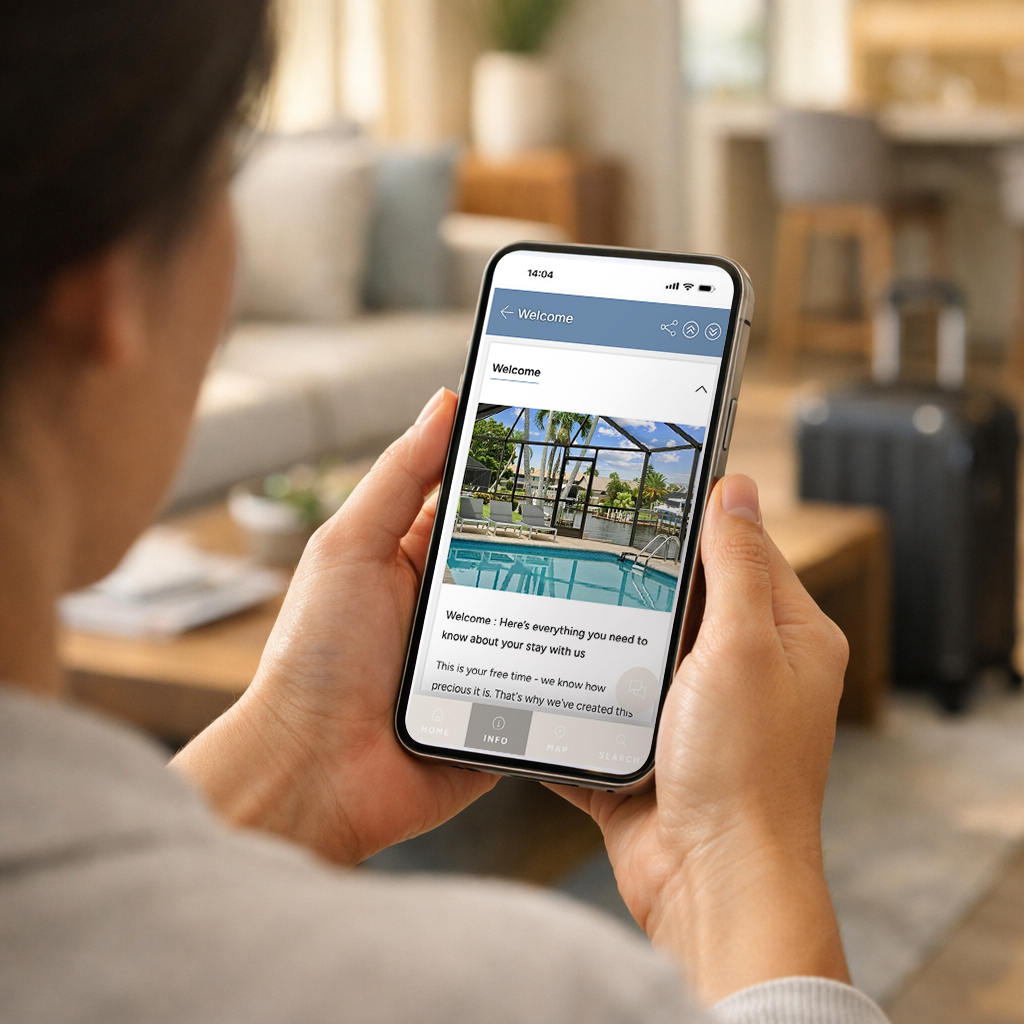
Clear, structured vacation rental management in Southwest Florida. See how your property moves from setup to bookings and ongoing performance.
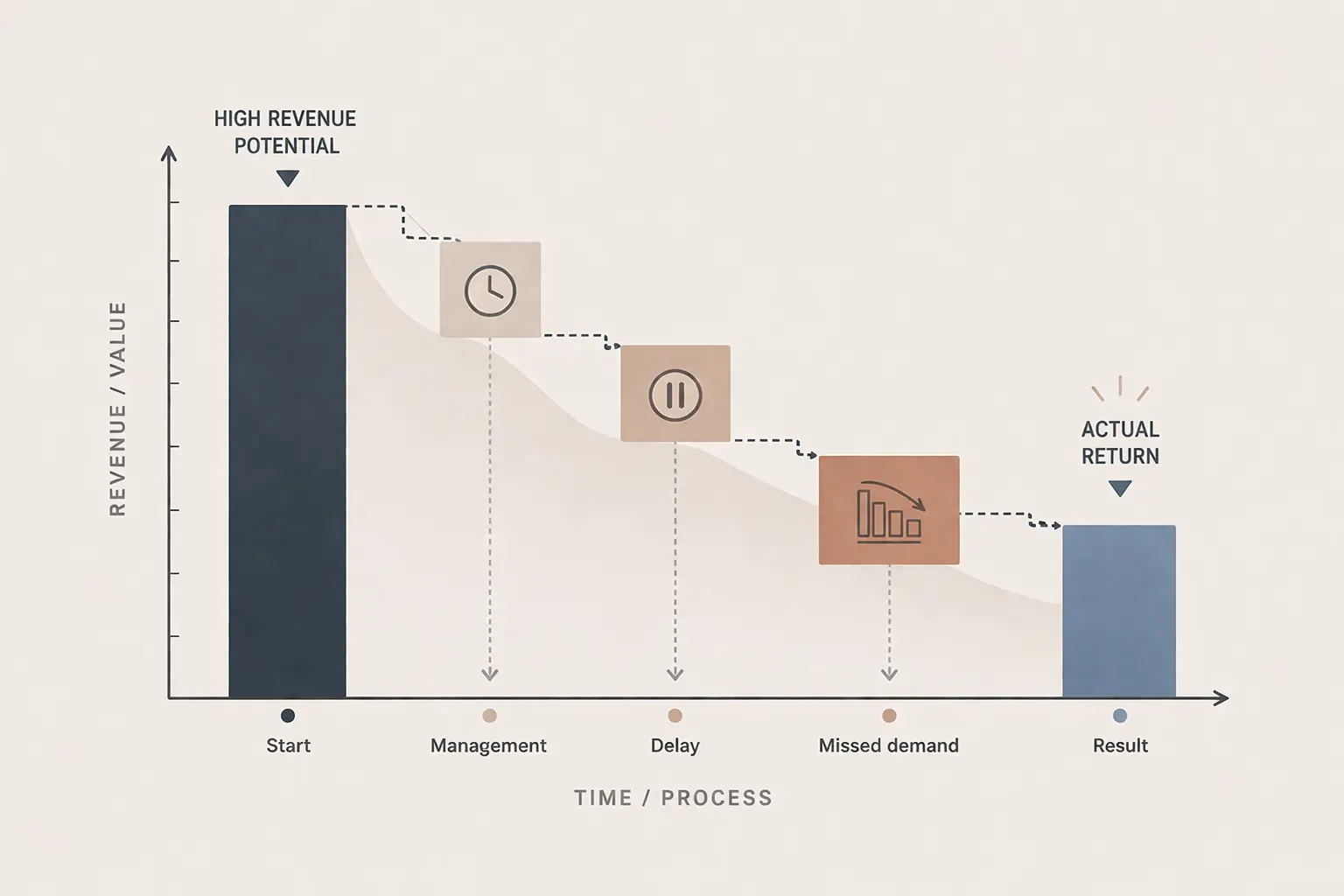
Hidden costs of self managing in Southwest Florida. Discover where revenue is lost through pricing, timing and manual workload.