That depends on your property, your goals, and how you plan to manage it. For many owners it makes financial sense. For some it does not. This page covers both sides without overselling the income or hiding the costs.
Southwest Florida is one of the strongest short-term rental markets in the United States. Lee County recorded an average daily rate of $271 per night in Q4 2024, up 11.9% year over year, with occupancy growing 6.3% in the same period. Florida accounts for 26% of national STR activity. The demand is real. Whether your specific property fits into that demand is a different question.
The financial case for renting
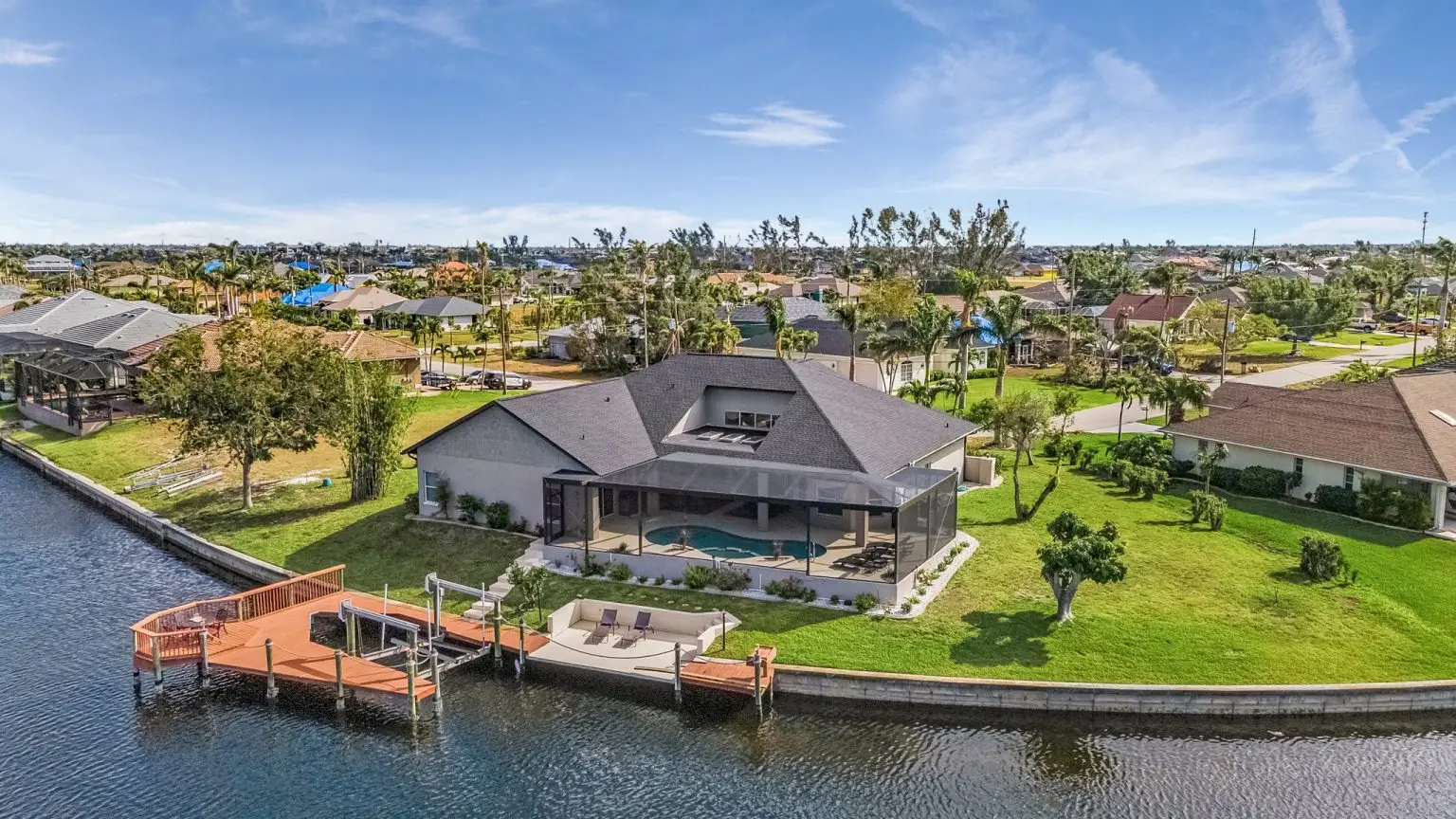
A three or four-bedroom pool home in Cape Coral with Gulf canal access can generate $45,000 to $85,000 in gross annual revenue under active management. A similar non-waterfront home generates $30,000 to $55,000. Fort Myers and Naples properties fall in similar or higher ranges depending on location.
Your net income after management fees, cleaning costs, utilities, and maintenance will be lower. A property generating $55,000 gross might net $30,000 to $38,000 after all operating costs. That is still meaningful income from an asset that was otherwise sitting idle.
For the full breakdown by area and property type, see how much you can earn renting your Southwest Florida vacation home.
What you need to budget for
Management fees
A full-service manager typically charges 18 to 25% of gross revenue. Florida First Class Villas charges 20% all-in, with no onboarding fee. Lower-fee options like Evolve (10 to 15%) do not include physical property management, meaning you still handle maintenance, cleaning coordination, and on-site issues yourself.
Cleaning costs
Professional cleaning between every stay is non-negotiable for maintaining reviews. Cleaning costs in Southwest Florida typically run $150 to $300 per turnover depending on property size. This is usually charged to the guest as a cleaning fee, but the management of the cleaning schedule and quality control falls to whoever manages the property.
Maintenance and repairs
A furnished vacation rental takes more wear than a long-term rental. Budget 2 to 4% of property value annually for maintenance, approximately $4,000 to $8,000 per year for a property valued at $400,000 to $600,000. Some years are lower. Some involve a pool equipment replacement or HVAC repair that spikes the number.
Insurance
Standard homeowner’s insurance does not cover short-term rental activity. You need a policy that explicitly includes short-term rental use. Expect to pay $200 to $500 more per year than a standard policy, depending on coverage limits and flood zone designation.
Taxes
Florida has no state income tax, but federal income tax applies to rental income. The Tourist Development Tax in Lee County is 5% of gross rental income and is typically collected by the platform or manager and remitted on your behalf. Foreign owners have additional considerations including FIRPTA and the need for a US tax identification number. Consult a US tax specialist before renting.
Regulatory compliance
Florida requires state registration with the DBPR. Cape Coral added a mandatory annual rental registration at $350 per year effective January 1, 2026. Lee County collects the 5% tourist development tax. Some municipalities add additional requirements. This is manageable, but it is a step that must be completed before taking any bookings.
The honest case against renting
Not every property and every owner is a good fit.
If your HOA prohibits short-term rentals: This is a deal-breaker. Many gated communities and condo associations in Southwest Florida restrict rentals to 30-day minimums or prohibit them entirely. Read your HOA documents before any other step.
If you are in the City of Naples: Most single-family homes within Naples city limits are subject to a 30-day minimum stay requirement, with only three exceptions per calendar year. This effectively prevents consistent short-term rental operation for most Naples city properties.
If you want to use the property frequently yourself: A property owner-blocked for six to eight months per year generates significantly less than one available for 10 to 12 months. The math changes accordingly.
If the property needs significant work: Guests expect a working air conditioner, clean appliances, and a property that matches the photos. A property that needs renovation costs money upfront before it generates any.
If you want to self-manage from outside Florida: Managing a vacation rental remotely requires constant availability for guest communication, a reliable local cleaning and maintenance network, and the ability to respond to issues at any hour. Most owners who try this find the time cost too high within six months.
Self-management versus professional management
Self-management works best for owners who live in Southwest Florida, have an existing local maintenance network, and are prepared to handle guest communication at any hour.
For owners based outside Florida, self-management typically underperforms. Research indicates self-managing owners run 15 to 20% below market ADR because they price statically rather than responding to demand daily. On a property generating $55,000 under management, that gap represents $8,250 to $11,000 in unrealized revenue per year, exceeding the management fee on most properties.
For a clear breakdown of what vacation rental management fees actually cover, see our dedicated guide.
What type of owner this works for
Short-term rental income from a Southwest Florida property works well for owners who have a property in a location with consistent demand, can make it available for most of the year, have no HOA restrictions prohibiting short-term rental, are willing to invest in property condition and presentation, and are comfortable working with a professional manager or have the capacity to manage it themselves.
Getting a clear answer for your specific property
A property analysis gives you specific numbers, not ranges. It covers what comparable properties in your area actually generate, what your property’s realistic occupancy looks like, and what net income you can expect after costs.
Request a free property analysis
The analysis takes 48 hours and carries no obligation.