
Most owners only discover problems after months of bookings. Some manage the home themselves and feel unsure about pricing. Some work with a manager but never see clear results. Some just bought a property and do not know where to begin.
Before you change anything, we calculate a realistic income range based on your home and local demand. You decide after you see the numbers.
Receive a realistic income range based on real demand. If it looks right, we can handle the rest for you.
No averages. No obligations. Just a realistic forecast.
Owners often look at occupancy and assume performance is fine. In reality, problems rarely come from the property itself but from timing, positioning and reaction speed.
Two similar homes on the same street can generate completely different annual income. Not because one is better, but because one responds to demand while the other stays static.
Common situations we see
The market changes daily. Adjusting a calendar once a week cannot keep up. Because performance depends on how pricing reacts to demand, identical homes can produce completely different annual income through structured management.
Peak weeks sell out quickly but pricing stays too close to average demand.
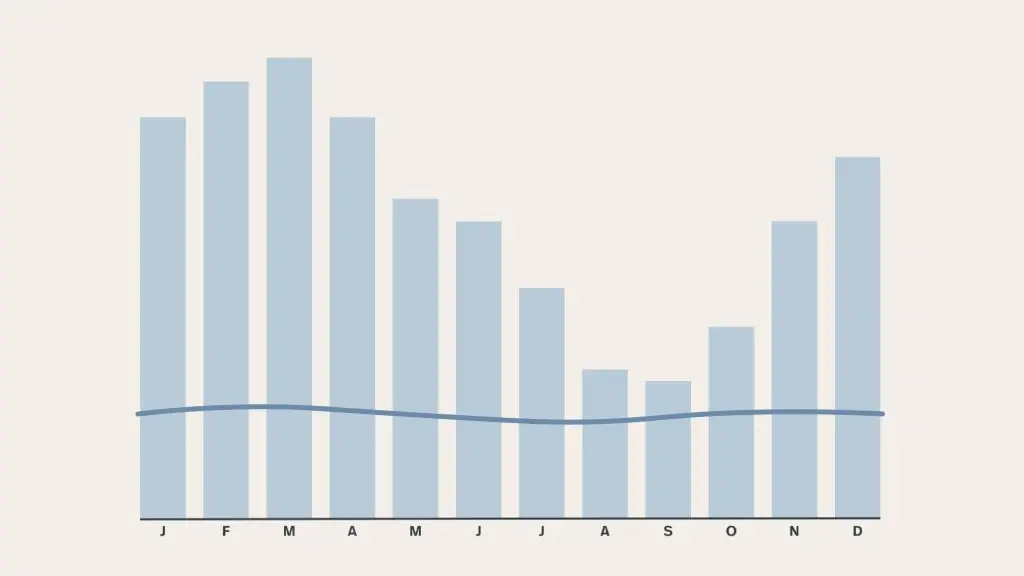
Prices remain high during slower periods and guests book competing homes.
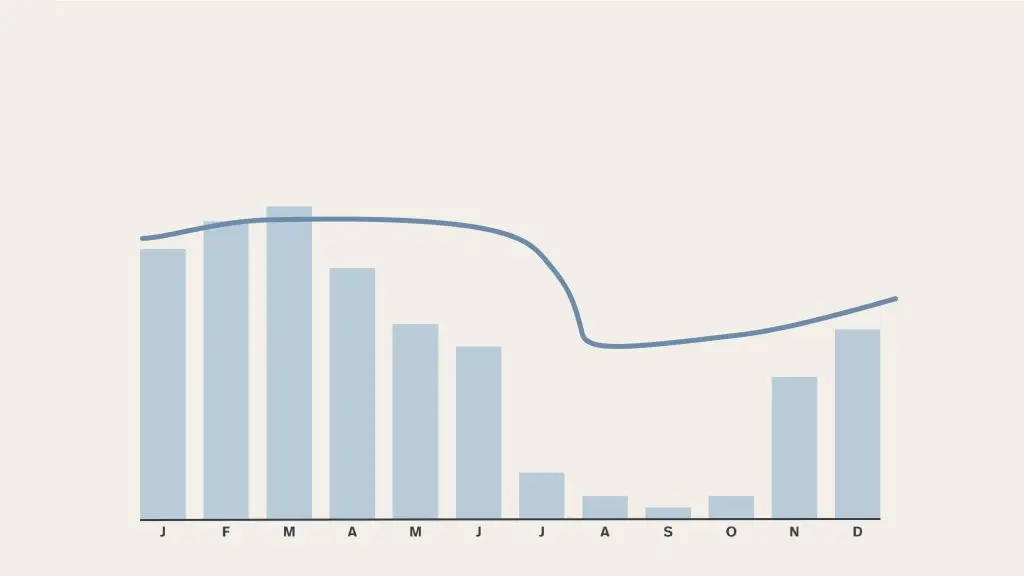
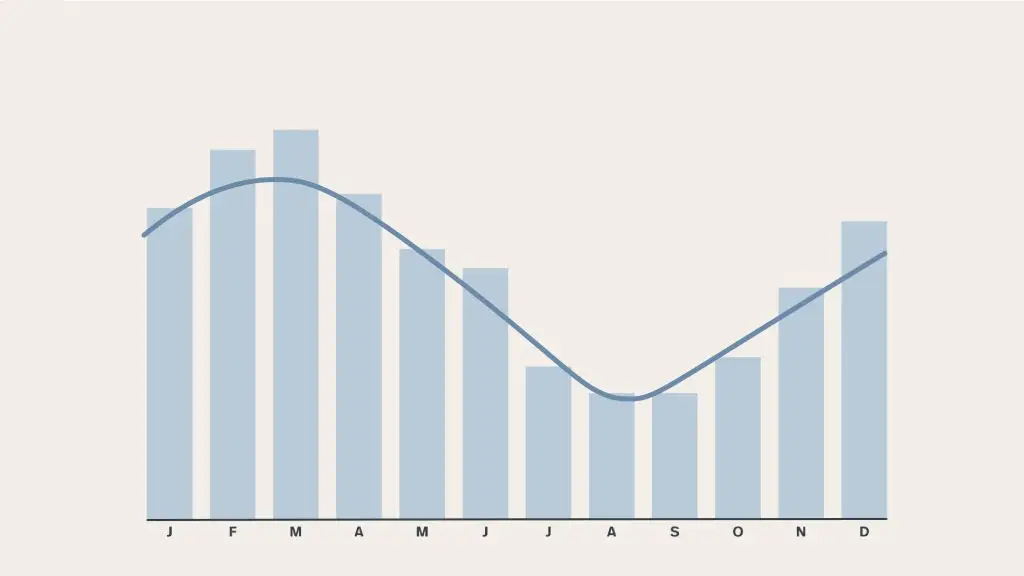
Align rates with demand to keep monthly performance consistent.
A property manager should not promise a fixed yearly income. Performance depends on demand patterns, booking windows and market conditions.
Instead of a single number, you receive a realistic revenue range based on comparable homes and booking behavior. This shows what is likely in a normal year and what factors influence the outcome.
No manager controls the travel economy or airline prices. No manager fills a home that is intentionally overpriced. No manager produces identical results every year.
Good management reduces volatility by reacting faster than conditions change. The objective is long term performance, not short term promises through professional management.
Demand in Southwest Florida shifts constantly. Events, seasonality, competitor occupancy and booking pace influence what guests are willing to pay at any moment. Static pricing slowly reduces revenue without owners noticing.
Our system monitors demand signals daily and updates rates across channels automatically. Peak periods are protected from underpricing while slower periods become bookable earlier.
This balance improves RevPAR, stabilizes monthly performance and removes guesswork.
Demand tracking
We monitor booking pace, events, seasonality and competitor behavior.
Daily adjustments
Rates update continuously instead of once per season.
Balanced performance
Occupancy and nightly rate are optimized together.
Consistent results
Higher peak income and fewer low-season gaps.
Revenue loss rarely comes from one major mistake. It comes from small inconsistencies across pricing, distribution, communication and standards. Consistent operation removes those gaps so performance becomes predictable instead of accidental.
Licensing and registration
Tourist tax handling
Guest insurance coverage
Marketing and distribution
Competitive pricing strategy
24 hour guest communication
Property inspections and care
Local maintenance coordination
Starting with a new manager usually feels complicated. We keep the process structured so you always know the next step and what we handle for you.

We verify if the home matches demand and local regulations.

Listings, pricing and compliance are configured.

The property becomes bookable and pricing activates.

Adjustments start immediately after first bookings.
Answers most owners look for before contacting a property manager
Income depends on location, bedroom count, amenities and booking demand in your specific area such as Cape Coral, Naples or Venice. Most homes do not have a single predictable yearly number but a performance range based on seasonality and booking pace. A revenue forecast compares your home to similar active rentals to estimate realistic annual revenue.
Owners usually hire a vacation rental property manager when pricing, guest communication and calendar gaps start affecting ranking and revenue. Management becomes valuable when dynamic pricing, distribution and response speed influence bookings more than the property itself. The benefit is not only higher occupancy but more stable monthly income and less time involvement.
A vacation rental manager handles pricing strategy, channel distribution, guest communication, cleaning coordination and compliance requirements. In Southwest Florida this also includes monitoring local regulations, handling tourist tax processes and reacting to booking demand changes. The goal is maintaining ranking and consistent performance over time.
Short term rentals in Cape Coral require registration and must follow local occupancy and safety rules. Requirements can change and incorrect documentation can lead to fines or removal from platforms. Property management normally includes monitoring and maintaining compliance documentation.
Tourist development tax reporting is required for short term rentals in Lee County. The process involves collecting, reporting and documenting payments correctly each period. Management companies typically handle reporting procedures so filings stay consistent with booking records.
Confirmed reservations usually remain active and are honored under the existing terms. The management transition focuses on future bookings, pricing and communication handling. This prevents guest disruption and avoids ranking penalties on booking platforms.
Owners normally keep full control over personal stays and blocked dates in the calendar. Availability can be adjusted while maintaining booking pacing so it does not affect platform ranking. A manager advises which dates impact revenue the most before blocking them.
If the property fits local regulations and documentation is available, listings can often go live within days. Setup includes pricing configuration, distribution connection and compliance checks. Performance optimization continues after the first bookings appear.
High occupancy does not always mean strong revenue because pricing may stay too close to average demand. Many homes fill peak periods while leaving income on the table and still struggle in low season. Balanced pricing aims to improve both nightly rate and occupancy together.
Get to know us
Property management is local work. Homes, guests and maintenance all happen in person, not from a call center.
Our team operates in Southwest Florida and handles homes directly. The same people who prepare the property also see guest feedback and booking patterns. This keeps decisions practical instead of theoretical.
You always speak with someone who knows the property. Get in touch to discuss your situation.

NO ONBOARDING FEE
Send your address and receive a realistic income range. Then decide what you want to do.